Reclaim Overgrown Land for Productive Use
Brush Cutting and Vegetation Management in Albany for dense overgrowth blocking property access and usability
Northeast Woodland Restoration LLC provides brush cutting and vegetation management to help you reclaim overgrown fields, wooded edges, and unused land throughout Albany and surrounding areas. If tall grass, thick undergrowth, and dense brush have taken over sections of your property, you lose access to areas that could serve farming, recreation, or routine maintenance. This service removes heavy vegetation that blocks visibility and movement, returning your land to a condition where you can walk it, work it, and control what grows there.
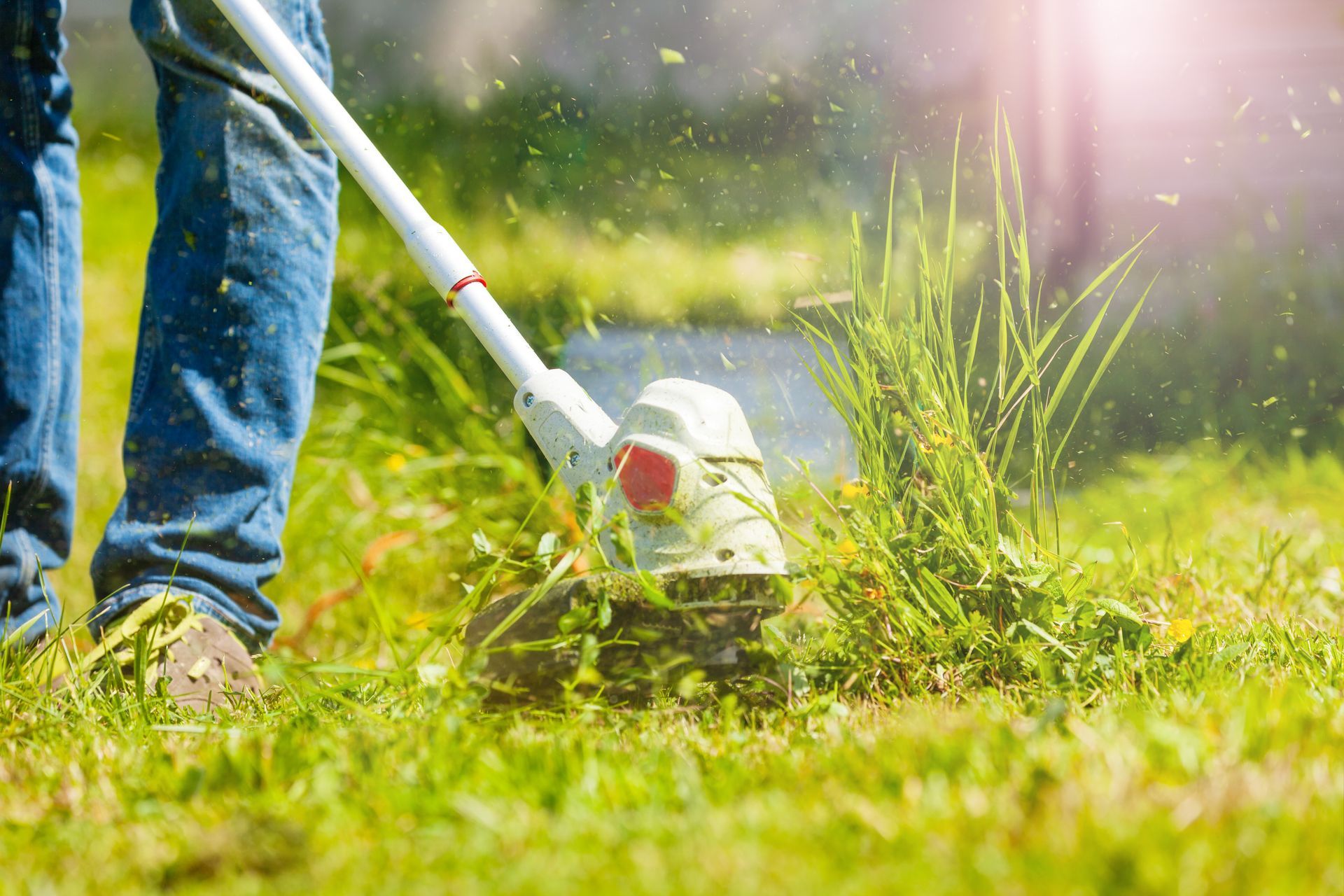
Brush cutting involves using professional equipment designed to handle vegetation that hand tools cannot manage efficiently. The work removes saplings, brambles, tall grasses, and woody growth that accumulate when land sits unused. In Albany and the surrounding region, properties with wooded edges or abandoned fields often see rapid regrowth during the growing season, and managing that vegetation before it matures into small trees keeps the land easier to maintain over time. Controlling invasive plant species early prevents them from spreading across your acreage and displacing native growth.
If your property has areas you cannot access or sections that have grown beyond hand clearing, reach out to discuss how brush cutting restores usability to overgrown land in Albany.
How Vegetation Management Returns Land to Active Use
When you schedule vegetation management, the crew assesses the density of growth, the type of vegetation present, and the terrain before selecting equipment suited to the conditions. Forestry mowers and brush cutters handle thick undergrowth and saplings up to several inches in diameter, cutting through areas that would take days to clear manually. The equipment mulches vegetation into the ground, leaving a layer of organic material that decomposes naturally and reduces the need for hauling debris off-site.
After the work is completed, you will see open ground where dense brush once stood. Walking paths become visible again, fence lines reappear, and you can move equipment or livestock across areas that were previously impassable. Northeast Woodland Restoration LLC completes the clearing without disturbing soil structure, so the land remains stable and ready for its next use. For farms and rural properties, this means fields can return to grazing or planting, and for recreational land, trails and sightlines open up without extensive hand labor.
The service works best on properties where vegetation has grown beyond the capacity of mowing equipment but does not yet require large-scale tree removal. If stumps or root systems need extraction, that requires separate work. Seasonal timing affects regrowth rates, and clearing during late spring or summer may require follow-up management if roots remain active.
What Property Owners Ask About Brush Clearing
Landowners managing rural acreage or unused fields often have questions about what brush cutting involves and how it changes their property over time.
What types of vegetation does brush cutting remove?
The service handles tall grasses, brambles, saplings, thick undergrowth, and woody shrubs that standard mowing equipment cannot cut. Trees larger than a few inches in diameter typically require different equipment or methods.
How does vegetation management prevent regrowth?
Cutting vegetation at ground level removes above-ground growth, but roots may sprout again depending on the species. Follow-up clearing or herbicide application controls regrowth if needed, though mulching slows the process by blocking sunlight.
Why is brush clearing useful for farms and recreational land?
Clearing heavy vegetation restores access to areas used for livestock, equipment storage, hunting, or walking trails. It also improves visibility and reduces fire hazards from accumulated dry brush.
How long does it take to clear an overgrown field in Albany?
Timeframes depend on acreage, vegetation density, and terrain. Professional equipment clears several acres per day in moderate conditions, while steep or rocky terrain takes longer.
When should property owners schedule vegetation management?
Late fall through early spring works well in Albany, as vegetation is dormant and ground conditions are often firmer. Clearing before the growing season begins reduces the chance of rapid regrowth.
If your property includes fields or wooded edges that have become difficult to access or maintain, contact Northeast Woodland Restoration LLC to evaluate the scope of work and plan clearing that returns your land to usable condition.