Extract Stumps and Root Systems Completely
Stump removal in Albany for sites where construction, fencing, or grading requires all traces of stumps gone
Northeast Woodland Restoration LLC provides stump removal services for property owners in Albany who need stumps and their root systems fully extracted rather than ground flush with the surface. You may be preparing land for a foundation, driveway, or septic system where any remaining wood would cause settling, or you may need to install fencing or utilities in areas where stumps currently occupy the line. Complete removal eliminates the stump, major roots, and associated soil disturbance, leaving a void that can be backfilled and compacted to match the surrounding grade.
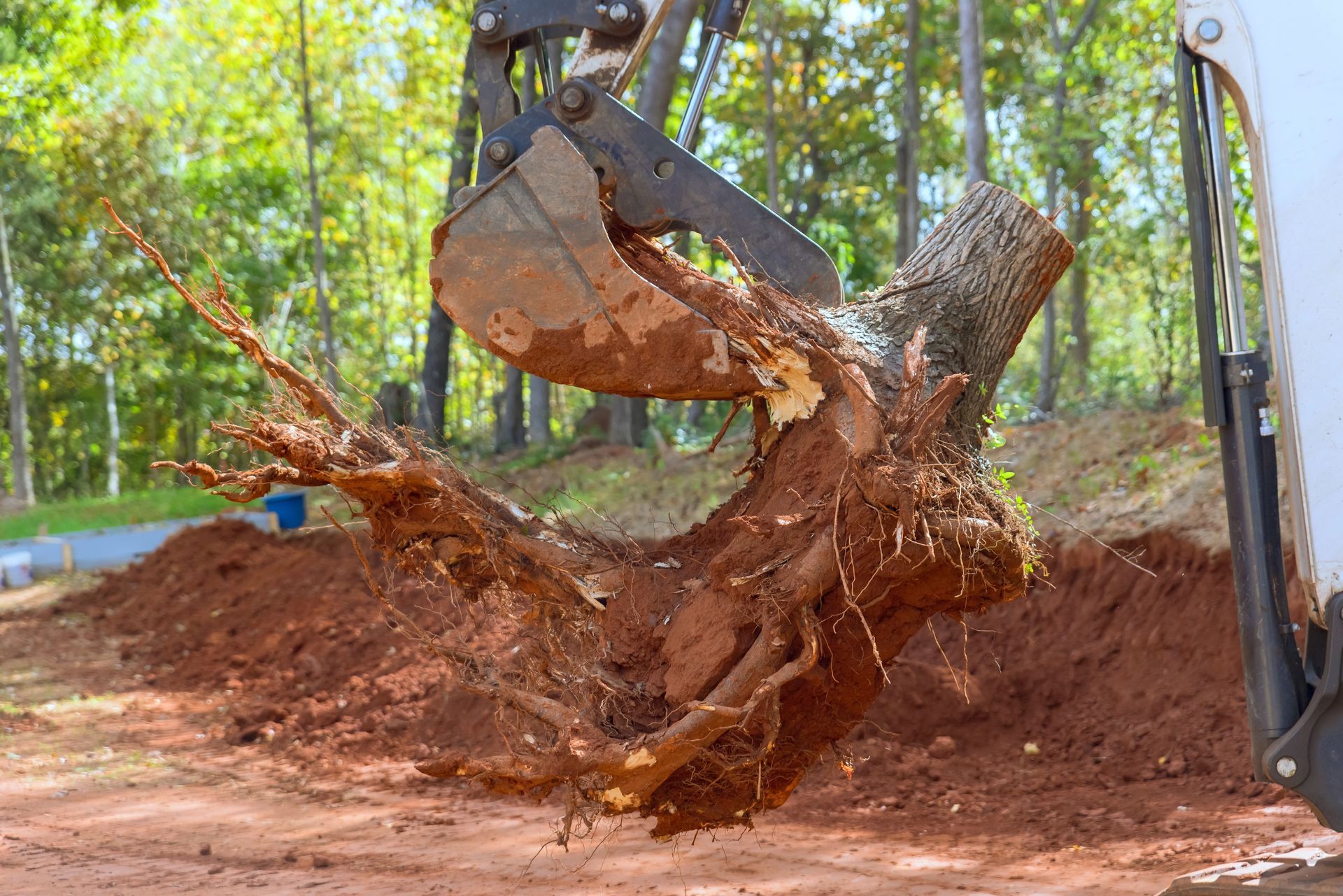
The removal process involves excavating around the stump to expose the root ball, cutting major roots, and extracting the entire mass using heavy equipment. This method is more invasive than grinding and creates a larger hole, but it ensures no wood remains beneath the surface to decompose, attract pests, or interfere with future site work. The excavated stump and roots are removed from the site or processed depending on their size and your preferences.
If your project requires stumps to be completely gone rather than reduced below grade, a site visit can clarify how many stumps need extraction and what condition the ground will be in afterward.
What Full Removal Involves and What the Site Looks Like After
You identify the stumps that must be removed, and excavation equipment digs around the stump to expose the root structure. Major roots are cut, and the stump is lifted from the ground along with the attached root ball. The resulting hole is backfilled with soil, compacted to reduce settling, and graded to match the surrounding surface. Larger stumps create larger voids that require more fill material and compaction effort.
After Northeast Woodland Restoration LLC completes the removal, you will see a filled depression where the stump once stood, with no remaining wood visible at or below the surface. The area can be graded, paved, or built upon without concern for decomposition voids or root interference, and the absence of organic material ensures long-term stability beneath structures or hardscaping. The surrounding soil may be disturbed in a radius around the original stump depending on the size of the root ball and depth of extraction.
Removal is most appropriate when the site will support weight-sensitive improvements such as foundations, slabs, or driveways, or when utilities must be installed through areas previously occupied by tree roots. It is more disruptive and time-consuming than grinding, and it requires equipment capable of excavation and material handling, so it is typically reserved for situations where grinding does not meet project requirements.
Deciding When Full Removal Is Necessary Instead of Grinding
Before choosing removal over grinding, most property owners want to understand the differences between the two methods, what removal accomplishes that grinding does not, and what the trade-offs are in terms of time and site impact.
What is the main difference between stump removal and stump grinding?
Removal extracts the entire stump and root ball, leaving no wood below ground, while grinding reduces the stump to chips but leaves roots in place to decompose over time.
How large is the hole left after a stump is removed?
The hole typically extends several feet wider than the original stump diameter and one to three feet deep depending on the root structure, requiring significant backfill and compaction.
Why is removal necessary for construction sites?
Building codes and engineering standards require stable, compacted soil beneath foundations and slabs, and decomposing stumps or roots create voids that lead to settling and structural issues.
When should property owners choose removal instead of grinding?
Removal is appropriate when the site will be paved, built upon, or used for utilities, fencing, or improvements where subsurface wood would cause problems.
How does removal affect properties with heavy clay or wet soil common in Albany area sites?
Excavation creates larger disturbances in clay or wet soil, and backfilled areas may require additional compaction and settling time before they can support structures or pavement.
If your project requires stumps to be fully removed to accommodate construction, utilities, or long-term site stability, Northeast Woodland Restoration LLC can extract them and prepare the site for the next phase of work.