Clear Corridors for Access and Infrastructure
Right-of-Way Clearing in Albany for open corridors through wooded properties requiring maintained access routes
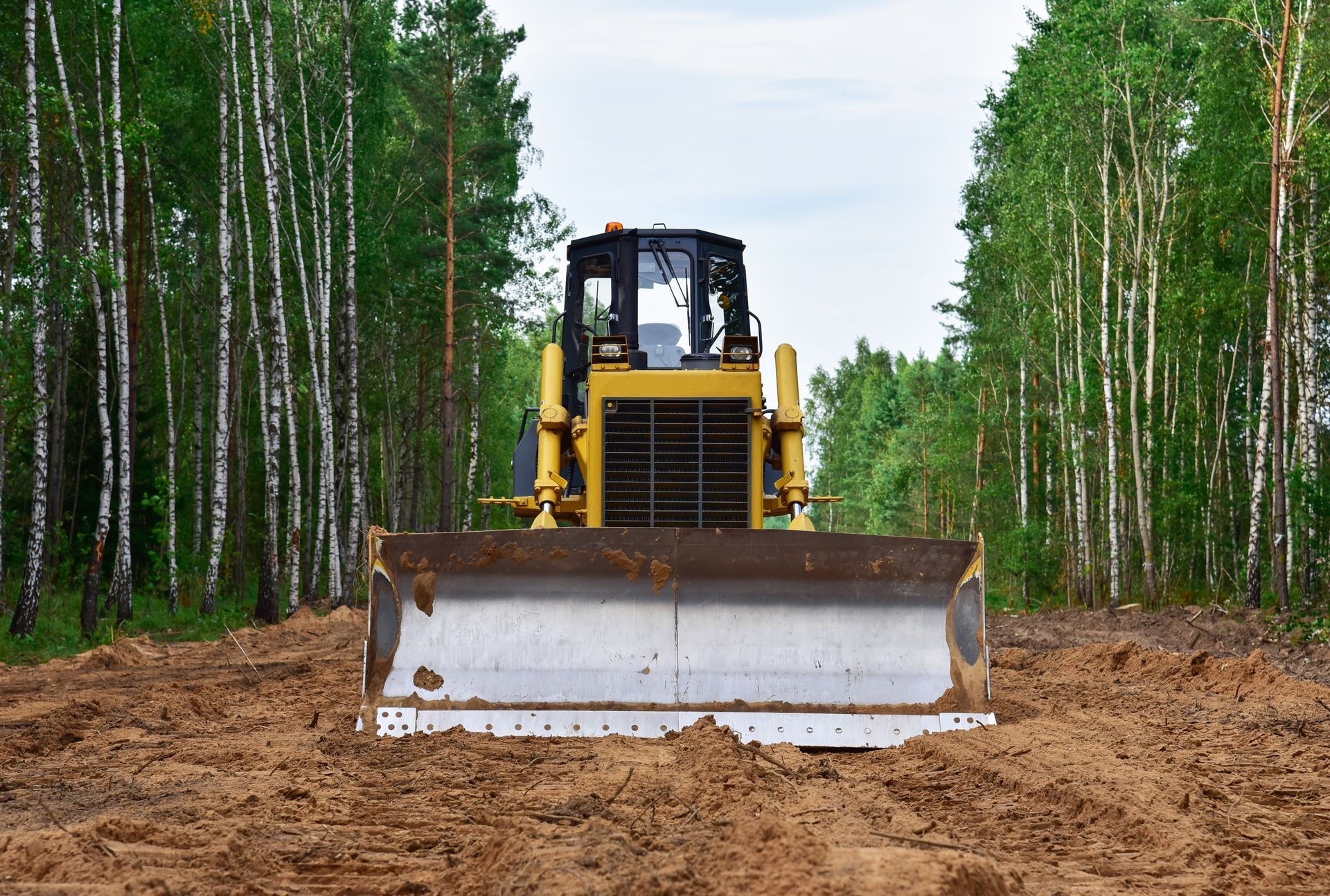
Northeast Woodland Restoration LLC provides right-of-way clearing to create and maintain open corridors through wooded properties in Albany and surrounding areas. When you need a clear path for a driveway, utility line, or access road, dense vegetation must be removed to establish the route and keep it visible and passable. This service removes trees, brush, and overhanging growth along a defined corridor, creating a strip of open ground that remains accessible year-round for vehicles, equipment, or maintenance crews.
Right-of-way clearing involves cutting vegetation within a specified width, typically ranging from ten to thirty feet depending on the purpose of the corridor. Professional equipment removes trees, stumps, and brush, leaving a clear surface that can be used immediately or prepared for gravel or paving. In Albany and the surrounding region, properties with long driveways, shared access roads, or utility easements benefit from clearing that maintains visibility and prevents regrowth from blocking the route. Clearing also improves safety by removing branches that could fall during storms or interfere with overhead lines.
If you need a corridor cleared for property access or infrastructure work, contact Northeast Woodland Restoration LLC to discuss route layout and clearing specifications.
How Right-of-Way Clearing Creates Accessible Routes
When you request right-of-way clearing, the crew surveys the proposed route, marks boundaries, and identifies obstacles such as large trees or ledge. Equipment then removes all vegetation within the corridor, cutting trees and grinding stumps to below grade so they do not interfere with vehicles or equipment. Brush and debris are either mulched on-site or hauled away, leaving a clean surface ready for the next phase of work.
After clearing is completed, you will see a defined corridor with clear sightlines and no obstructions. Driveways can be graded and surfaced, utility crews can install lines without working around trees, and access roads remain passable in all weather. Northeast Woodland Restoration LLC clears corridors to the width required by your project, whether for residential access, commercial development, or utility maintenance. For properties with easements or shared access agreements, clearing ensures all parties can use the route without disputes over encroaching vegetation.
The service removes vegetation and prepares the corridor but does not include grading, gravel installation, or paving unless requested. If the route crosses wetlands or steep slopes, additional permits or erosion control measures may be required. Regrowth along corridor edges is common, and periodic maintenance keeps the route open over time.
What Property Owners Ask About Corridor Clearing
Landowners and contractors planning access routes or utility installations often have questions about corridor width, timing, and maintenance after clearing.
What width should a right-of-way be for different uses?
Residential driveways typically need twelve to sixteen feet, utility corridors require twenty to thirty feet for equipment access, and shared roads may need wider clearance depending on traffic. Width is determined by the intended use and any easement requirements.
How does right-of-way clearing improve property access in Albany?
Clearing removes vegetation that blocks visibility and passage, allowing vehicles and equipment to move safely along driveways or access roads. It also prevents branches from falling during winter storms, which are common in the region.
Why is stump grinding important in corridor clearing?
Stumps left in place create obstacles for vehicles and equipment, and they can cause damage to grading equipment or interfere with utility trenching. Grinding them below grade ensures the corridor is fully usable.
How long does it take to clear a right-of-way?
Clearing rates depend on corridor length, vegetation density, and terrain. A typical crew clears several hundred feet per day in moderate conditions, with slower progress in heavily wooded or steep areas.
When should right-of-way clearing be scheduled?
Late fall through early spring works well in Albany, as frozen or firm ground supports equipment without creating ruts. Clearing before construction or utility work begins ensures the corridor is ready when crews arrive.
If you need a corridor cleared for access or infrastructure and want the route prepared efficiently, reach out to discuss layout, width requirements, and scheduling that aligns with your project timeline.