Open Paths Through Wooded Property
Trail and Access Clearing in Albany for properties requiring routes through dense wooded terrain
Northeast Woodland Restoration LLC provides trail and access clearing to create paths through wooded properties in Albany and surrounding areas. When you own large acreage with limited access to interior sections, cutting trails allows you to move through the land on foot or with equipment, reach remote areas for hunting or recreation, and manage timber or wildlife habitat. This service removes brush, saplings, and low-hanging branches along a defined route, creating a clear path while preserving the surrounding landscape.
Trail clearing involves cutting a corridor through dense vegetation using equipment sized to the width and purpose of the trail. Walking paths may be four to six feet wide, while trails for ATVs or maintenance equipment require wider clearance. In Albany and the surrounding region, properties with mixed hardwoods, wetlands, or steep slopes benefit from trails that provide stable routes without requiring extensive grading. Clearing trails also improves visibility into wooded areas, making it easier to monitor for invasive species, fallen trees, or changes in forest health.
If your property includes areas you cannot currently access or you want to create defined routes for recreation or land management, contact Northeast Woodland Restoration LLC to plan trail routes and clearing methods.
How Trail Clearing Works on Private Land
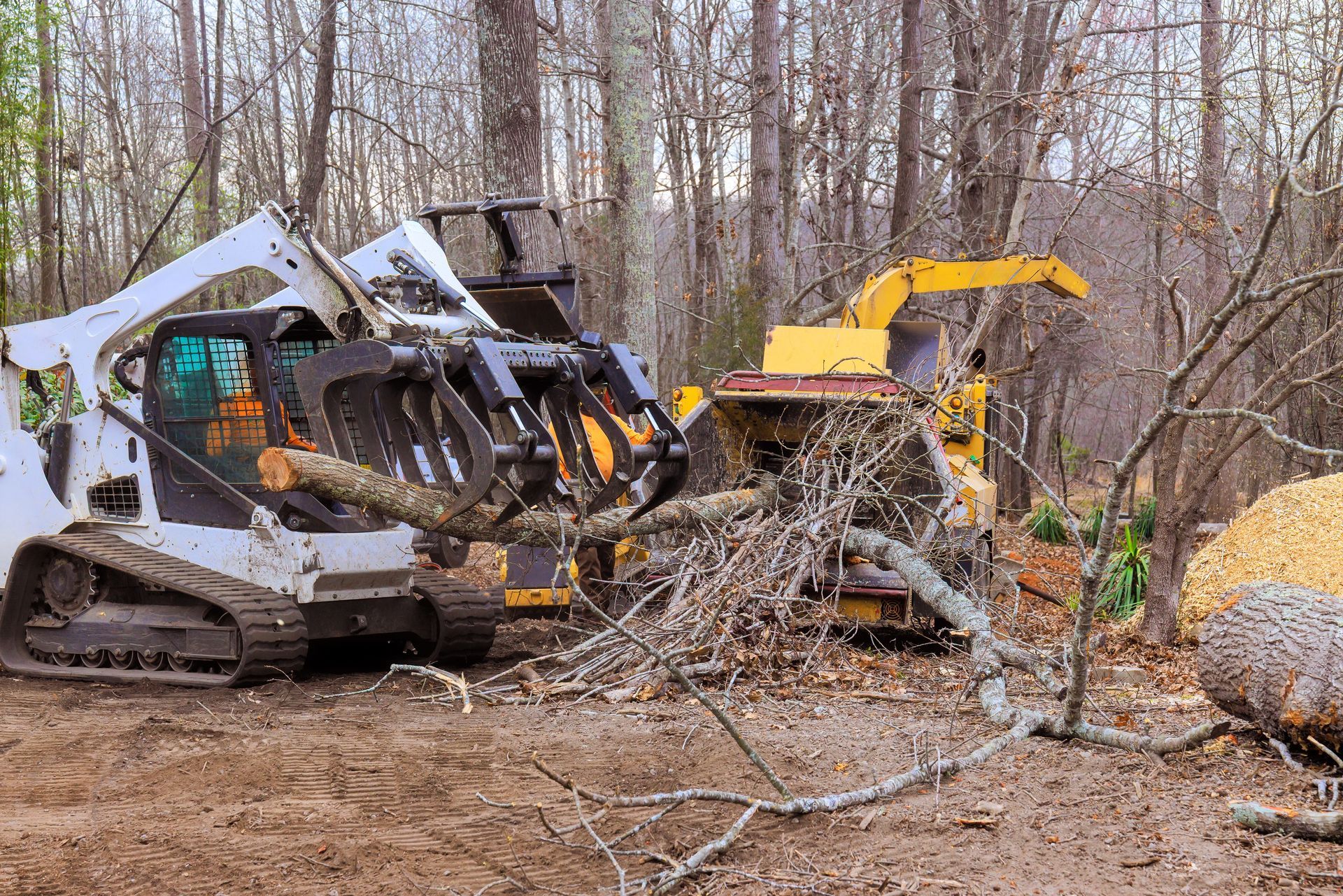
When you request trail clearing, the crew walks the proposed route with you to identify obstacles, determine width requirements, and mark trees or features to preserve. Brush cutters and forestry equipment then remove vegetation along the corridor, cutting saplings and low growth at ground level. Larger trees may be left standing if they do not block the path, and the crew clears overhanging branches that would obstruct passage.
After the trail is cut, you will see a clear path through areas that were previously impassable. The ground surface remains largely undisturbed, so trails are ready for immediate use without additional preparation. Northeast Woodland Restoration LLC cuts trails to the width you specify, whether for foot traffic, equipment access, or seasonal recreational use. For properties with multiple trail systems, clearing creates a network of routes that connect key areas such as hunting stands, water sources, or boundary lines.
The service clears vegetation but does not include grading, culvert installation, or erosion control unless requested. Trails on slopes or areas with poor drainage may require additional work to prevent washouts. Seasonal regrowth along trail edges is common, and periodic maintenance keeps paths open over time.
What Landowners Ask About Trail Clearing
Property owners managing wooded acreage often want to know how trail clearing affects the landscape and what maintenance is needed after paths are cut.
What width should a trail be for different uses?
Walking trails typically run four to six feet wide, ATV trails need eight to ten feet, and equipment access routes require twelve feet or more. Width depends on the type of vehicle or activity planned for the trail.
How does trail clearing preserve surrounding vegetation?
The crew removes only vegetation within the trail corridor, leaving trees and plants outside the path intact. This approach maintains forest cover while creating access routes through wooded areas.
Why do trails help with property management in Albany?
Trails allow you to reach remote sections of your property for timber cruising, wildlife monitoring, boundary maintenance, or clearing fallen trees. They also provide defined routes that prevent random trampling of sensitive areas.
How long does it take to clear a trail through wooded land?
Clearing rates depend on terrain, vegetation density, and trail length. A typical crew clears several hundred feet per day in moderate conditions, with slower progress on steep or rocky ground.
When should landowners plan trail clearing?
Late fall through early spring works well in Albany, as frozen or firm ground supports equipment without creating deep ruts. Clearing before hunting season or recreational use begins ensures trails are ready when needed.
If you need trails cut through wooded property to improve access or create recreational routes, reach out to discuss trail layout and clearing schedules that match your land use plans.