Restore Unused Fields to Productive Acreage
Field and Pasture Reclamation in Albany for overgrown land returning to farmable or grazing condition
Northeast Woodland Restoration LLC offers field and pasture reclamation to restore overgrown land on rural properties throughout Albany and surrounding areas. If you own fields that have been unused for years, saplings, brush, and woody vegetation have likely taken over, making the land unusable for farming or livestock. This service removes that growth and returns the field to open acreage, where you can graze animals, plant crops, or maintain the land as open space without constant regrowth.
Reclaiming a field involves cutting down saplings, clearing brush, and removing woody vegetation that has established itself over time. Forestry mulchers and brush cutters handle the range of growth found on neglected land, grinding material into mulch that settles into the soil. In Albany and the surrounding region, fields left unmanaged for even a few growing seasons can develop dense stands of young trees and invasive shrubs that require professional equipment to remove efficiently. Reclamation work also reveals old fence lines, stone walls, and drainage features that were hidden by overgrowth.
If you have fields that have grown over and you want to return them to productive use, contact Northeast Woodland Restoration LLC to evaluate the scope of clearing and plan the work.
What Field Reclamation Does for Rural Land
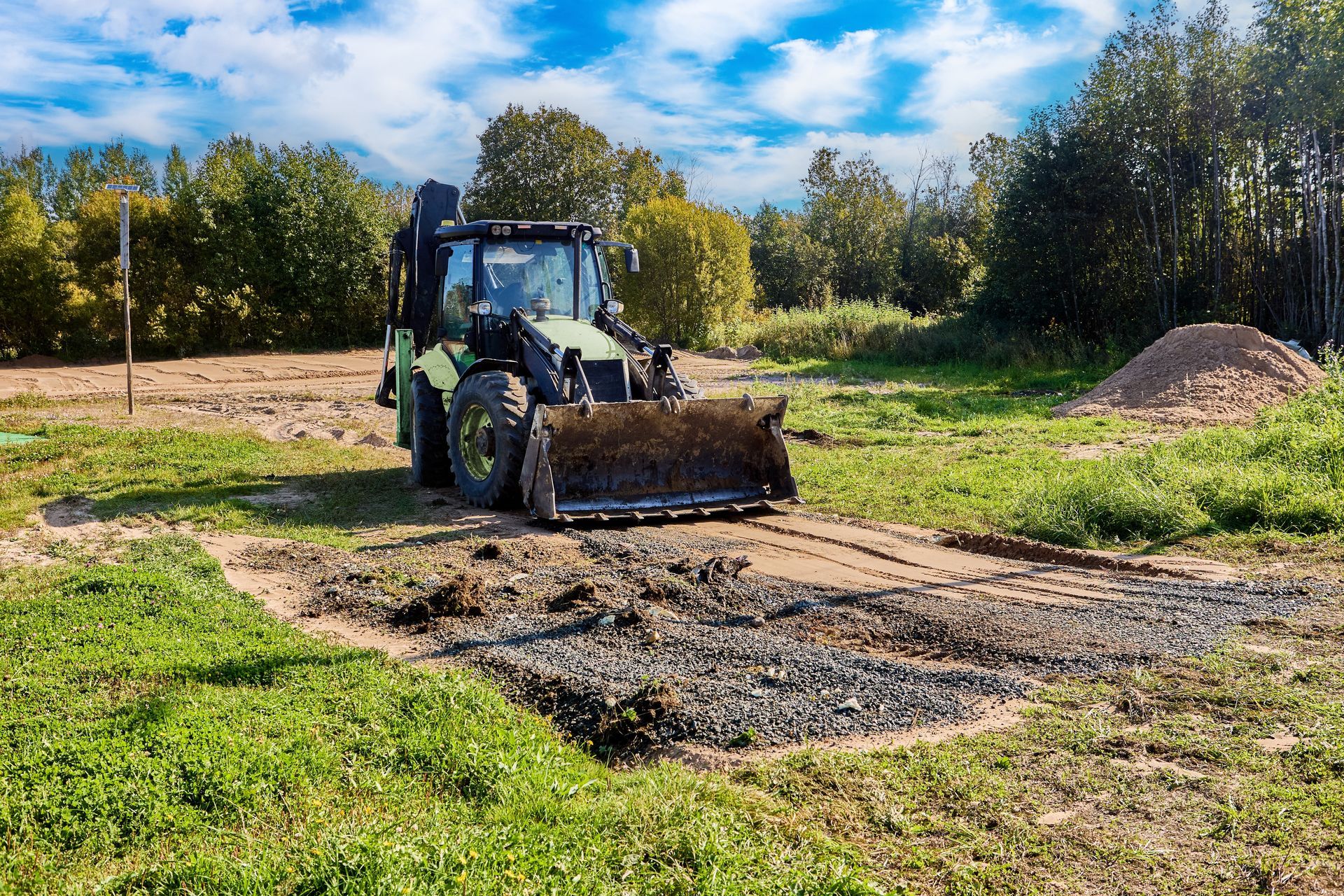
When you schedule field reclamation, the crew inspects the property to assess the size of woody growth, identify any obstacles such as old equipment or fencing, and determine the best approach for clearing. Equipment then moves through the field, cutting vegetation at ground level and mulching it into the soil. This process removes above-ground growth without tilling or disturbing the root structure of the land, so the soil remains intact and stable.
After reclamation is finished, you will see open ground where brush and saplings once stood. The field is ready for seeding, grazing, or mowing, and you can walk or drive equipment across areas that were previously impassable. Northeast Woodland Restoration LLC completes the clearing so you can begin using the land immediately, whether for hay production, pasture rotation, or simply maintaining open space. For properties with multiple overgrown fields, reclaiming one section at a time allows you to expand usable acreage as budget and planning allow.
The service removes woody vegetation but does not include seeding, fertilizing, or soil testing. If stumps or large roots remain, they may need separate grinding or removal. Regrowth from roots is common with certain species, and follow-up mowing or herbicide application helps control new shoots during the first growing season.
Questions About Restoring Overgrown Fields
Landowners looking to reclaim unused fields often ask how the process works and what steps follow clearing.
What does field reclamation remove?
The service clears saplings, brush, woody shrubs, and dense undergrowth that prevent mowing or grazing. Mature trees larger than a few inches in diameter may require separate removal.
How does reclamation affect soil quality?
Mulching vegetation into the ground adds organic material that decomposes over time, returning nutrients to the soil. The process does not compact soil as severely as grading or tilling.
Why do overgrown fields need professional clearing in Albany?
Small trees and woody brush are too thick for standard mowing equipment but not large enough for logging. Forestry mulchers handle this middle range efficiently, clearing fields in days rather than weeks.
How soon can land be used after reclamation?
Fields are ready for immediate use after clearing. You can mow, seed, or graze livestock as soon as the work is complete, though seeding is best done in early spring or late summer.
When is the best time to reclaim overgrown fields?
Late fall through early spring works well in Albany, as vegetation is dormant and ground conditions are firm. Clearing before the growing season begins reduces the chance of rapid regrowth.
If you have fields that have grown beyond the reach of mowing equipment and you want to restore them to usable acreage, reach out to discuss clearing methods and timelines that fit your land use goals.